As a specialist insurer working exclusively with the aesthetics and cosmetic medicine sector, one of our priorities at Hamilton Fraser is staying ahead of the treatments, technologies and trends shaping clinical practice.
While safe, ethical practice is about far more than following the latest fad, innovation has always been part of what makes aesthetics such a dynamic and rewarding field. Over the past few years, we’ve seen major shifts towards regenerative medicine, longevity, wellness and women’s health. These themes will continue to dominate in 2026 – but they are now being reshaped by tighter scrutiny, rising patient expectations and increasing regulatory pressure.
Drawing on insights from across the sector, here are the key trends we expect to define aesthetic medicine in 2026.
Perhaps the most defining cultural shift of 2026 is the continued move away from “anti-ageing” towards longevity, healthspan and self-optimisation. Aesthetic medicine is no longer being positioned as a series of isolated cosmetic interventions, but as part of a broader strategy to support confidence, function and long-term wellbeing.
Functional medicine, hormone optimisation, advanced diagnostics and testing are becoming more visible within aesthetic settings. Clinics are increasingly offering health-led consultations that explore sleep, stress, metabolic health and inflammation alongside skin and facial ageing.
While this presents exciting opportunities, it also demands clarity. Practitioners must be clear about what sits within their competence, how results are interpreted and where collaboration with other healthcare professionals is required. In 2026, longevity-led aesthetics will reward clinics that prioritise evidence, ethics and patient education over trend-driven claims.
This is something Hamilton Fraser founder and CEO Eddie Hooker reflected on in his recent podcast. “Fillers and toxins are still the staples of the industry, but it’s clear that aesthetics is moving towards a much more holistic, wellness-led approach”, he says. “The focus isn’t simply on looking younger anymore. It’s about feeling better, living better and how different treatments come together to create a programme of improvement.”
Hamilton Fraser will be the insurance sponsor for the first Future Patient Congress taking place on 5 February 2026, which is all about introducing preventative, integrative and lifestyle medicine into practice.
Listen to our podcast with Human Health founder and Future Patient chair Dr Mayoni Gooneratne.
To find out how we can support you in integrating longevity-focused treatments into your clinic, get in touch today.
Men’s engagement with aesthetics, wellbeing and health optimisation continues to grow, but in 2026 the conversation is shifting beyond discreet treatments towards long-term health, confidence and performance.
Hair restoration, skin health, body composition, testosterone optimisation and preventative treatments are increasingly being discussed openly. Clinics that have historically focused their messaging almost exclusively on female patients are beginning to rethink how they communicate with men – not through “masculine rebranding”, but through credible, health-led education.
For practitioners, this also brings new considerations around consent, expectation management and safeguarding, particularly where aesthetics overlaps with hormonal and functional health.
Hamilton Fraser offers comprehensive medical malpractice insurance. To discover what treatments are included in our packages or to get a quote, get in touch today.
GLP-1 weight-loss medications have dominated headlines for the past 18 months, and in 2026, they are expected to become even more embedded in clinical and consumer culture. With pharmaceutical companies such as Novo Nordisk progressing oral GLP-1 formulations alongside established injectables, accessibility is likely to increase.
However, this growth comes with significant risk. Concerns around counterfeit products, inappropriate prescribing and online access without adequate safeguards continue to escalate. A recent ITV News investigation highlighted how easily patients were able to manipulate images using basic AI and photo-editing tools to obtain prescription weight-loss drugs despite not meeting clinical criteria. In some cases, approvals were granted within days, raising serious questions around remote prescribing and patient verification.
For aesthetic clinics, weight-loss medications sit at the intersection of opportunity and exposure. While they can support genuine health transformation, they also demand robust governance, clear prescribing pathways, appropriate aftercare and a strong understanding of liability. In 2026, this will remain one of the most closely scrutinised areas of aesthetic practice.
Read our comprehensive guide to weight management in aesthetic medicine and listen to our podcast with Piroska Cavell for more on this topic.
To find out what we cover in terms of weight management services and treatments, get in touch today.
Understanding of the skin-gut axis continues to deepen, and in 2026, the microbiome is expected to play an even more central role in aesthetic decision-making. Post-GLP-1 microbiome disruption, increased skin sensitivity, antibiotic use, menopausal changes and dietary shifts are all influencing skin health and treatment outcomes.
Clinics are beginning to look beyond topical solutions, incorporating gut health, probiotics, nutrition and lifestyle support into treatment planning. For patients, this represents a more joined-up, holistic approach. For practitioners, it reinforces the importance of managing expectations and avoiding over-simplified claims in a rapidly evolving evidence base.
We are also seeing the microbiome step forward as a key skincare trend, focused on supporting the skin's natural ecosystem of beneficial microbes for better health, moving beyond just surface-level fixes.
Hamilton Fraser’s experienced team can advise you on what treatments are covered under your policy. When adding in any new services, always remember to let us know.
5. AI moves from novelty to necessity
Artificial intelligence is no longer an experimental add-on. In 2026, it is becoming embedded across assessment, consultation, marketing and business operations. AI-assisted skin analysis, predictive consultations and outcome tracking are improving consistency and documentation, while automation is helping clinics manage enquiries, follow-ups and patient communication more effectively.
However, this comes with responsibility. Marketing ethics, ASA compliance, data protection and transparency around AI-generated content are becoming critical considerations. Insurers are also watching this space closely, particularly where AI influences clinical decision-making or patient expectations.
Used well, AI can support safer, more consistent practice. Used poorly, it can introduce new risks.
Read our article on 10 ways AI is revolutionising aesthetic medicine.
Hamilton Fraser offers more than medical malpractice insurance. To discover our full range of policies, including cyber liability insurance, visit our website or speak to our experienced team.
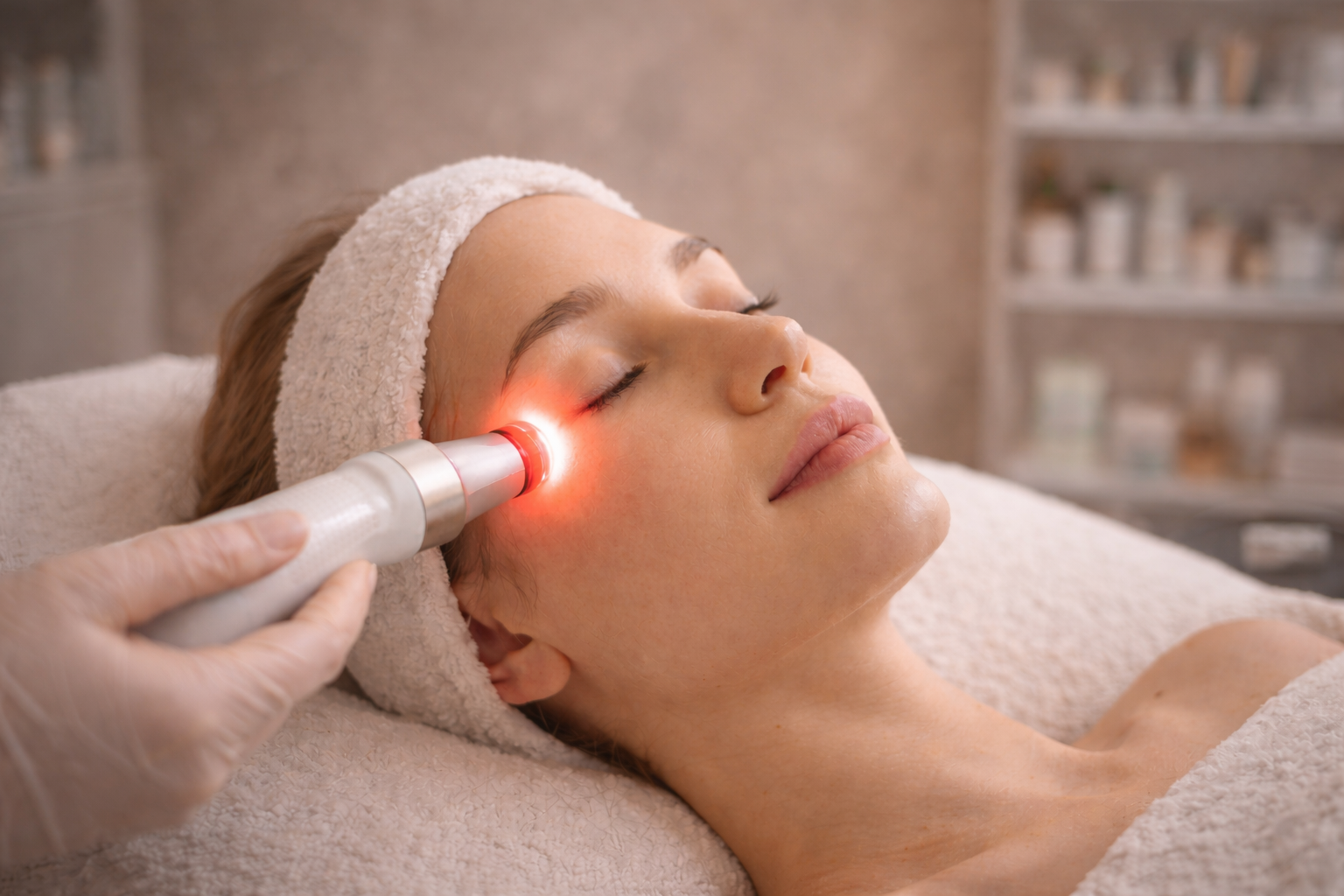
The periocular area is becoming one of the most complex and fast-growing areas in aesthetics. In 2026, dry eye disease is expected to feature more prominently within aesthetic and ophthalmic crossover services, driven by increased screen use, hormonal change (particularly menopause), contact lens wear and environmental factors.
New light-based and energy-based devices are entering the market, and more clinics are beginning to offer treatments that sit at the intersection of ocular health, aesthetics and regeneration. Alongside this, there is growing interest in regenerative approaches for the eye area, including skin quality treatments and biologically informed protocols.
The eye is a high-risk area. Make sure your insurance policy is comprehensive and tailored to your needs. With 30 years of experience, Hamilton Fraser has created insurance coverage that meets the unique needs of the aesthetics market. Get in touch to find out more.
Regenerative medicine remains one of the most influential themes shaping aesthetics, but in 2026, it is entering a more critical phase. Treatments that stimulate the body’s own repair mechanisms continue to attract interest, but there is increasing demand for clarity around mechanisms of action, sourcing and long-term safety.
Exosomes sit at the centre of this debate. Despite widespread promotion for skin and hair rejuvenation, many exosome products remain unregulated, with limited clinical data and unanswered questions around their source and safety. Their use raises clear regulatory, insurance and ethical concerns, and this is an area where practitioners must proceed with extreme caution.
Start protecting your regenerative treatments today - get an instant quote with Hamilton Fraser and make sure you're covered for the future of aesthetics with our Essential insurance packages.
Peptides are gaining attention across aesthetics, wellness and longevity, but as with exosomes, enthusiasm is running ahead of regulation. In 2026, peptides are likely to sit in a grey zone – promising, but unevenly governed.
For many practitioners, these compounds are being positioned at the forefront of wellness and longevity care, with claims extending from body composition support to tissue repair and broader age-related optimisation beyond conventional aesthetic treatments.
But clinics offering peptide-based protocols will need to be clear about sourcing, claims and patient consent. As regulation tightens and media scrutiny increases, only evidence-led, responsibly positioned peptide use is likely to withstand long-term scrutiny.
One of the most important things to remember when it comes to trends is to move away from hype and towards accountability. Innovations are exciting and drive the sector forward. Patients may want to know if you are offering the latest thing they are hearing about on social media or in the news. But in a bid to stay ahead of the curve and be competitive, it is important not to forget that safety should always come first. Following the trends doesn’t have to mean jumping in feet first. Look at the science, educate yourself, and if you are thinking of adding new treatments to your menu, contact us to make sure you are covered.
In 2026, patients are better informed, regulation is on the horizon and media scrutiny is intensifying. This means success in aesthetics will be less about adopting every new innovation, and more about integrating the right ones safely, ethically and transparently.