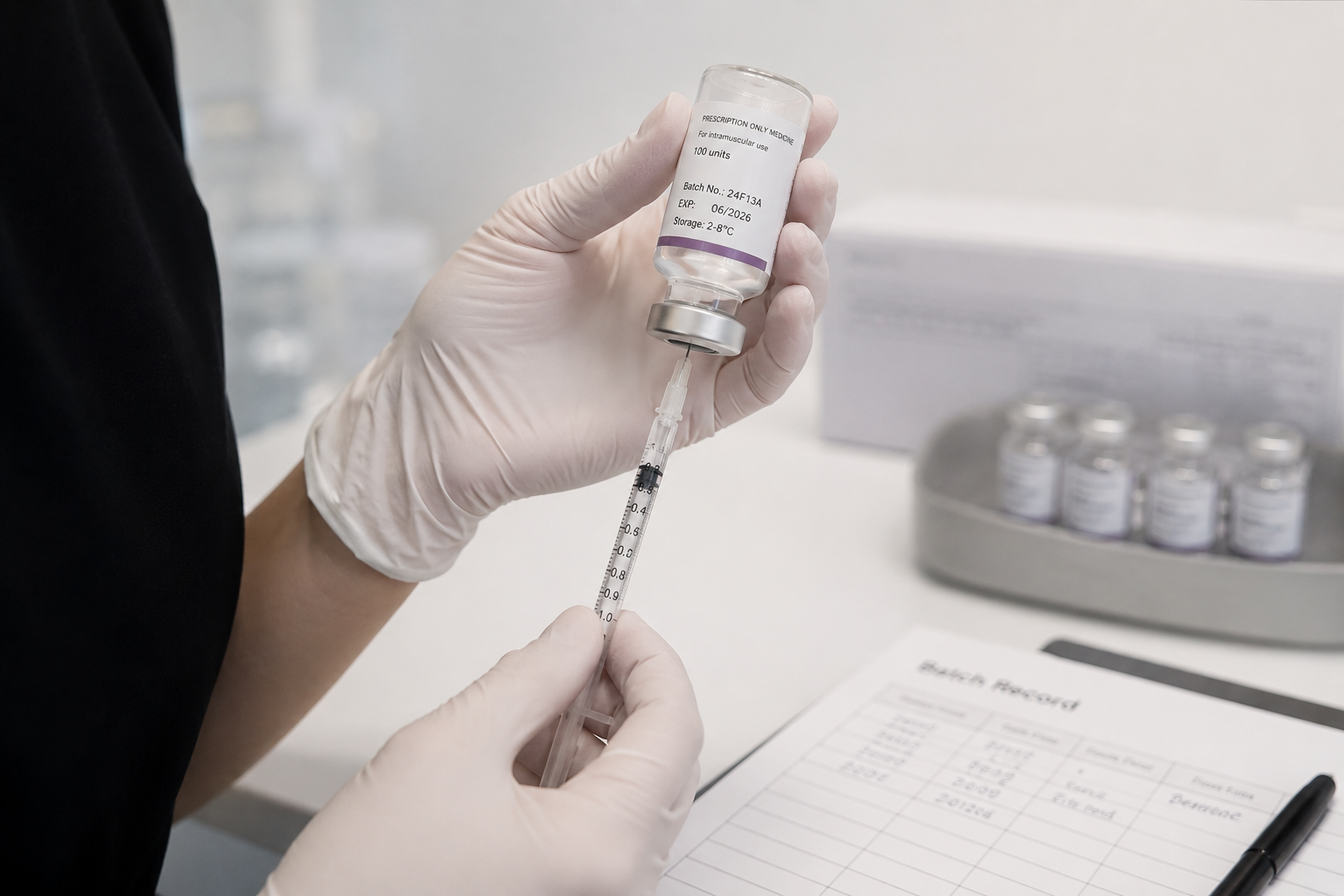
Recent reports of botulism linked to cosmetic procedures have prompted renewed warnings around counterfeit and grey market botulinum toxin products being used within the aesthetics sector.
On 18 May 2026, the UK Health Security Agency (UKHSA) confirmed several cases of botulism in the Leeds area linked to cosmetic procedures involving botulinum toxin injections. Reports claim several individuals have required medical treatment after experiencing adverse reactions following botulinum toxin injections.
At this stage, the exact products involved and the total number of confirmed cases linked to the latest incidents remain unknown.
The warnings follow a wider outbreak in 2025, during which dozens of confirmed cases of iatrogenic (treatment-related) botulism were reported across England and linked to suspected fake or unlicensed toxin products.
The agency is now urging both practitioners and members of the public to be aware of the signs and symptoms of botulism. Patients experiencing symptoms, which can include difficulty swallowing, slurred speech and breathing problems, following treatment are advised to seek urgent medical attention immediately.
Following the UKHSA warning last summer, a comprehensive new safety guide – The Invisible Risk Behind Unregulated Botulinum Toxin (Botox Like) Treatments was launched to educate and protect patients considering aesthetic treatments.
Written by award-winning aesthetic nurse and educator Julie Scott, supported by the Joint Council for Cosmetic Practitioners (JCCP), the guide outlines the steps patients must take to safeguard themselves when undergoing botulinum toxin treatments.
You can access the full guidance here: New guide launched following UKHSA botulism warning
In July 2026, the Medicines and Healthcare products Regulatory Agency (MHRA) issued a Drug Safety Update (DSU) for botulinum toxin which introduces strengthened safety warnings for all botulinum toxin type A products.
It also reiterated the importance of using only authorised botulinum toxin products obtained through regulated supply chains. Noting that “Unlicensed or counterfeit products present significant risks to patient safety and do not meet UK safety and quality standards.”
While legitimate botulinum toxin products remain tightly regulated in the UK, the rise of counterfeit products entering the market through illegal supply chains has become an increasing concern for regulators, healthcare professionals and patient safety groups alike.
Fake toxin products may contain incorrect dosages, unsafe ingredients, poor manufacturing standards or entirely different substances from those advertised. In some cases, products may be imported illegally or purchased through unverified online sellers and social media channels.
The growing popularity of aesthetic procedures, combined with rising price pressures and increased demand, has created opportunities for unsafe operators to exploit the market.
This issue also highlights wider concerns around inadequate regulation and the continued availability of injectable treatments outside appropriately governed clinical environments.
The Joint Council for Cosmetic Practitioners (JCCP), who Hamilton Fraser works closely with, is advising all registrants who prescribe, administer or work with botulinum toxin products to review the document and to:
The JCCP also recommends that iatrogenic botulism is incorporated into the informed consent process for patients undergoing treatment with botulinum toxin products.
For practitioners, these incidents serve as an important reminder of the need for strict governance around product sourcing, prescribing and patient safety protocols.
Practitioners should only purchase medicines from legitimate, regulated UK pharmacies and authorised suppliers, while maintaining clear records of batch numbers, prescribing information and supply chains.
Robust consultation processes, detailed medical histories and informed consent procedures also remain essential. Patients presenting with unusual symptoms following treatment should be advised to seek urgent medical attention immediately.
From an insurance and risk management perspective, practitioners must also understand the importance of notifying their insurer promptly if concerns arise following treatment complications or suspected counterfeit product exposure.
You can read Hamilton Fraser’s guide to grey market and counterfeit products here.
To discover how Hamilton Fraser can support you, you can speak to our specialist team on 0800 63 43 881 or get an online quote today.