For many years, the aesthetics industry was shaped by one dominant phrase: anti-ageing. Treatments were marketed as a way to reverse time, erase wrinkles and restore youth.
Today, that narrative is changing.
Across the sector, practitioners, brands and patients are increasingly embracing a different approach – one focused on ageing well aesthetics rather than fighting ageing. The shift reflects both changing patient attitudes and advances in the science and focus of aesthetic medicine. Instead of trying to eliminate every visible sign of ageing, modern aesthetic practice is increasingly centred on skin health, prevention and overall wellbeing.
Understanding this change can help practitioners adapt their consultations, treatment plans and clinic messaging to reflect the way aesthetics is evolving.
Ageing is a complex biological process influenced by both intrinsic and extrinsic factors.
Intrinsic ageing refers to the natural changes that occur within the body over time. Genetics, hormonal changes and cellular ageing all contribute to gradual alterations in skin structure, including reduced collagen production, slower cell turnover and decreased elasticity.
Extrinsic ageing, on the other hand, is influenced by environmental and lifestyle factors such as UV exposure, pollution, smoking, diet and stress. These external pressures can accelerate visible ageing by contributing to oxidative stress and chronic low-grade inflammation.
This process, often referred to as “inflammaging”, is increasingly recognised as a driver of many age-related changes in the skin.
Rather than viewing these changes as problems to eliminate, many practitioners now approach them as natural processes that can be supported and optimised through good skin care, preventative treatments and healthy lifestyle choices.
Language plays a powerful role in shaping how people think about ageing.
Historically, marketing within the aesthetics and beauty industries often framed ageing as something to resist or correct. However, both patients and practitioners are increasingly questioning this approach.
Terms such as “ageing well”, “healthy ageing” and “longevity aesthetics” are becoming more common in clinic messaging and industry conversations. These phrases reflect a broader cultural shift towards acceptance, confidence and wellbeing at every life stage – messaging that particularly resonates with women in aesthetics.
The change also mirrors wider developments within healthcare and aesthetics. As discussed in recent industry commentary, aesthetic medicine is increasingly being positioned as part of a broader strategy for long-term wellbeing and confidence, rather than a series of isolated cosmetic interventions.
For practitioners, this evolution is less about abandoning aesthetic treatments and more about reframing how they are discussed and delivered.
One of the most visible outcomes of this shift is the growing emphasis on preventative and maintenance-based approaches.
Many patients are now seeking treatments earlier, not necessarily to reverse ageing but to maintain skin quality and slow the progression of visible changes.
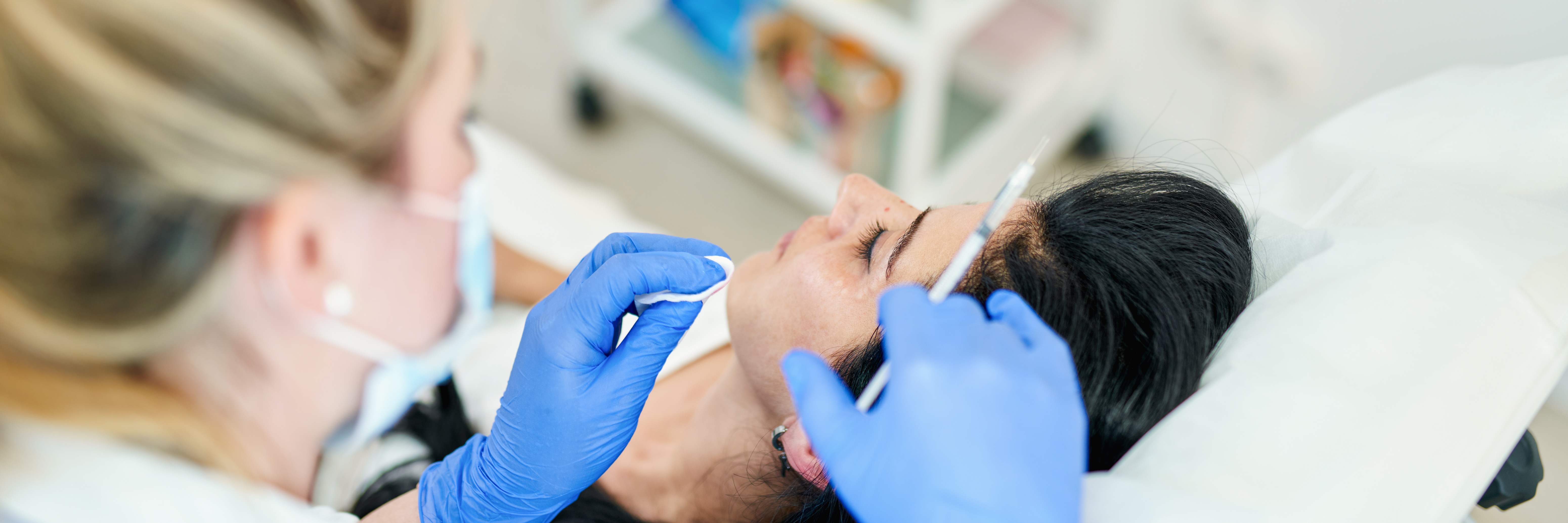
This approach is often referred to as prejuvenation, where treatments are used proactively to support healthy ageing skin and structural integrity. Skincare routines, sun protection, collagen-stimulating procedures and subtle injectable treatments can all play a role in maintaining a natural appearance over time.
You can explore this trend in more detail in our article on why prejuvenation is emerging as a key trend.
Rather than dramatic changes, patients are increasingly interested in small, incremental improvements that support the skin over the long term.
Another important development within modern aesthetic practice is the growing integration of health and wellbeing factors.
Skin ageing is not determined by skincare or treatments alone. Sleep quality, stress levels, nutrition, metabolic health and hormonal changes all influence how the skin ages and heals.
As a result, many practitioners are adopting a more holistic consultation model, exploring lifestyle factors alongside treatment options. Some clinics are also collaborating with other professionals, such as nutritionists, hormone specialists or wellness practitioners, to support patients more comprehensively.
This approach aligns with the wider movement towards longevity-focused medicine and regenerative aesthetics, which emphasises improving both healthspan and appearance over time. Our guide to unlocking the promise of regenerative medicine explores how these innovations are shaping the future of the industry.
Public attitudes toward aesthetic outcomes have also evolved significantly in recent years.
Patients are increasingly seeking subtle, natural-looking results that enhance their features rather than dramatically altering them. Overly exaggerated treatments have faced growing criticism on social media and in mainstream culture, prompting a renewed focus on balance, restraint and individualised treatment planning.
In practical terms, this means practitioners are prioritising:
The result is an approach that supports confidence and self-expression while respecting the natural ageing process.
You can explore wider market developments in our article on aesthetic treatment trends shaping the market in 2026.
For aesthetic practitioners and clinic owners, the move toward ageing well treatments represents an opportunity rather than a challenge.
It encourages clinics to focus on patient education, realistic outcomes and long-term care, helping to build stronger patient relationships and trust. It also reflects a more responsible and sustainable model of aesthetic medicine, where treatments are delivered thoughtfully as part of a broader wellbeing strategy.
Ultimately, ageing well is not about rejecting aesthetic treatments. It is about using them in a way that supports healthy skin, confidence and quality of life at every stage.
As the industry continues to evolve, practitioners who embrace this balanced approach are likely to be best placed to meet the expectations of today’s patients – and the next generation of aesthetic consumers.
For an overview of common procedures and how they work, see The Hamilton Fraser aesthetic treatment guide.
For advice on how to keep your practice up to date and make sure you are covered to provide the latest treatments, contact Hamilton Fraser’s specialist team or get an online quote today.