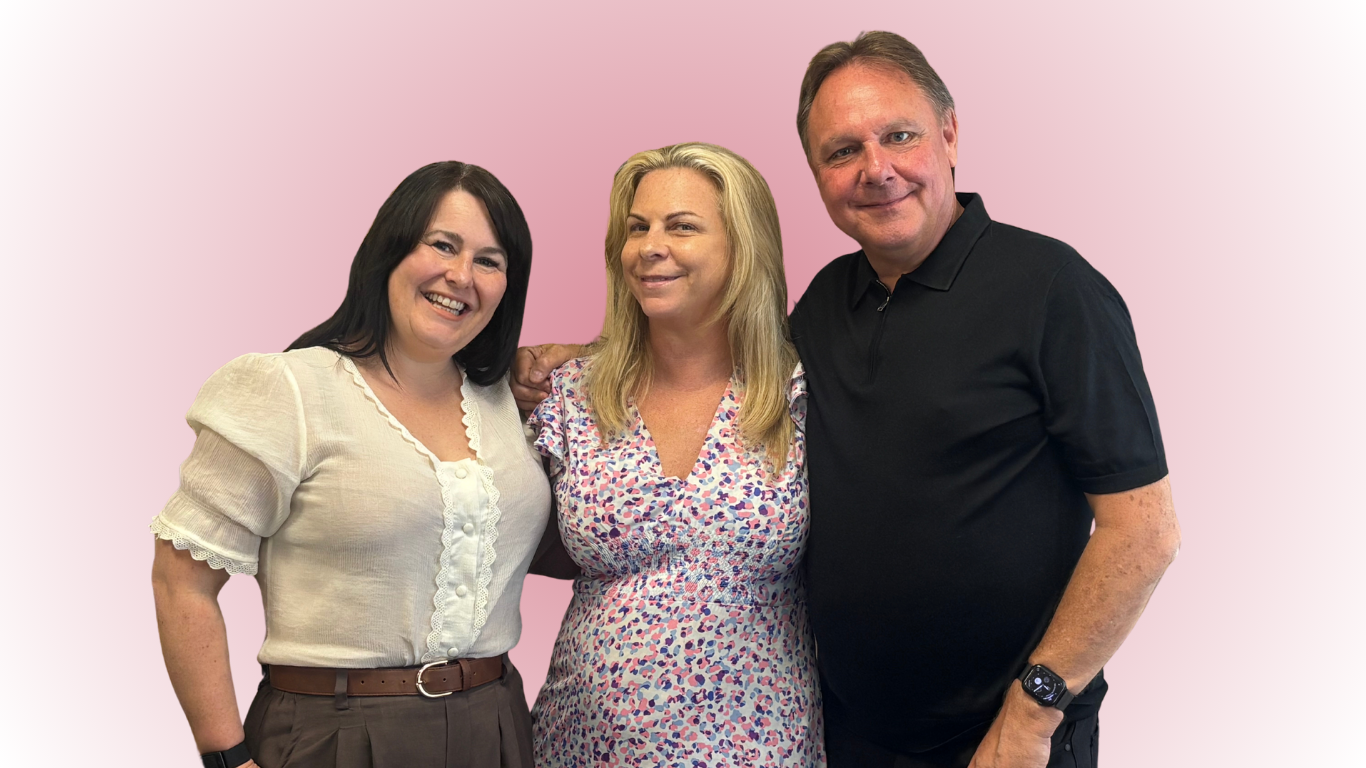
In the latest episode of the Aesthetics Business Cast, hosts Vicky Eldridge and Eddie Hooker are joined by Dr Uzma Qureshi, a GP with over 20 years of experience and Medical Director of the doctor-led, CQC-registered My Skin Clinic in Bradford. With a background that includes working as a lead clinician for the Health Service Ombudsman handling NHS complaints nationally, Dr Uzma brings a uniquely informed perspective to one of the most uncomfortable but important topics in aesthetics: what to do when a patient is unhappy.
Dr Uzma opens by highlighting two factors that make aesthetic practice especially vulnerable to dissatisfaction. The first is solo working. Unlike the NHS, where systems, senior support and allied colleagues are built in, many aesthetic practitioners operate alone. When something goes wrong, there is no team to lean on, no established protocol, and no buffer between the practitioner and the patient.
The second is the elective nature of the treatments. As Dr Uzma puts it, practitioners aren't curing a disease, they're addressing a concern, and that concern is often emotional rather than purely physical. The gap between what a patient hopes a treatment will do for them and what it can realistically deliver is where dissatisfaction takes root.
Asked about the most common cause of complaints, Dr Uzma is clear: communication. Whether it's a poorly handled consultation, missing information about downtime, unclear expectations or a lack of response when something goes wrong, the root cause is rarely the treatment itself. Eddie confirmed that around 70 to 80% of the enquiries Hamilton Fraser sees relate to dissatisfaction rather than clinical error.
A particularly powerful point from Dr Uzma: in aesthetics, the outcome you're chasing isn't a perfect injection, it's a satisfied patient. A technically flawless treatment that leaves the patient unhappy is, in real terms, an unsuccessful one.
Dr Uzma offers a clear framework for responding to dissatisfaction:
Acknowledge that something has happened. Listen properly to understand what the patient is actually concerned about. Empathise, even if you disagree with their interpretation. Explain what has happened in a calm, neutral, step-by-step way. Then offer a plan, with options, so the patient feels supported rather than abandoned.
Crucially, she advises never responding while you're emotional. Park the email, let yourself absorb it, and come back when you're calmer. Eddie adds a practical tip: modern email clients like Outlook and Gmail offer send-delay features that have saved many a regrettable message.
Defensiveness, both hosts agreed, is the fastest route to escalation. Acknowledging concern is not the same as admitting liability, and the practitioners who try to deflect or ignore complaints are the ones who watch a manageable dissatisfaction grow into a claim.
Dr Uzma emphasises that the best time to prepare for a complaint is long before one arrives. That means looking at the entire patient journey: website information, front-of-house training, thorough consultations that aren't rushed, written treatment plans, clear aftercare instructions, transparent pricing, and a documented complaints policy that staff are trained to follow.
For CQC-registered clinics, a written complaints policy is mandatory. For everyone else, it's still best practice, and it protects both you and the patient when emotions are running high.
Eddie shared the story of a practitioner who communicated entirely through WhatsApp, lost her phone, and discovered six months later that the unhappy patient had retained every message while she had none. The episode underlines a fundamental medical-legal principle: from a litigation perspective, undocumented care effectively didn't happen.
Dr Uzma raised a wider concern about the aesthetics sector: there is no clear guidance on what should be recorded, and many practitioners are left extrapolating from their NHS roles. She suggests this is an area the industry needs to address with proper templates and support.
When asked about online reviews, Dr Uzma points out that a clinic with 100% five-star reviews is almost more suspicious than one with a mix. What sets a clinic apart is how disgruntled patients are handled, because that's what prospective patients can see. Eddie added that the right internal culture matters too: if a clinic operates in fear, staff will hide mistakes rather than learn from them. Open, reflective practice is how clinics improve.
Looking ahead, Eddie flagged that the proposed licensing regime in England will likely bring Trading Standards into the complaints picture, giving consumers a new route to escalate concerns. The implication for practitioners is significant: documentation, evidence, photographic records and policies will need to be up to professional standards. As Eddie put it, the industry is talking a lot about which treatment falls into which licensing tier, but not nearly enough about the redress and complaints framework that's coming with it.
Dr Uzma noted the philosophical tension this creates. Healthcare professionals want a clinician-patient relationship, not a transactional consumer one, but the regulatory direction of travel is firmly towards consumer accountability.
Asked for her single most important piece of advice, Dr Uzma's answer was simple: have a plan. Plan for the eventuality that someone will be dissatisfied, because they will be. When it happens, breathe. Don't panic. Approach it with empathy, professionalism and transparency, and ask yourself how you'd want to be treated if the roles were reversed.
Eddie added one more thought: trust your gut. If a patient is showing signs of being difficult before you've even started, sometimes the best clinical decision is to politely refer them elsewhere.
Hamilton Fraser has a wide range of free resources on managing complaints, record keeping and saying no to patients, available on the Hamilton Fraser Content Hub.
To find out more about Dr Uzma Qureshi and My Skin Clinic, visit myskyn.co.uk.