Inclusion shouldn't just be a calendar event. Plenty of clinics add a rainbow to their logo in June to mark Pride, then quietly remove it in July. There's nothing wrong with a bit of visibility, but the work that matters happens year-round, in small, consistent ways. In this article, we take a look at what genuine inclusion looks like in a clinical setting. From consultation forms and communication to treatment planning and safeguarding, small changes can help LGBTQ+ patients feel respected, understood and safe throughout their patient journey.
Aesthetic practitioners treat patients from a wide range of backgrounds, experiences and identities. While every patient is unique, LGBTQ+ individuals may have experienced stigma, discrimination or healthcare settings where they felt misunderstood.
For some patients, those experiences can affect how comfortable they feel discussing their goals, concerns or medical history during a consultation.
Creating an inclusive environment is not about treating LGBTQ+ patients differently. It is about creating a clinical setting where every patient feels respected, listened to and able to make informed decisions about their care.
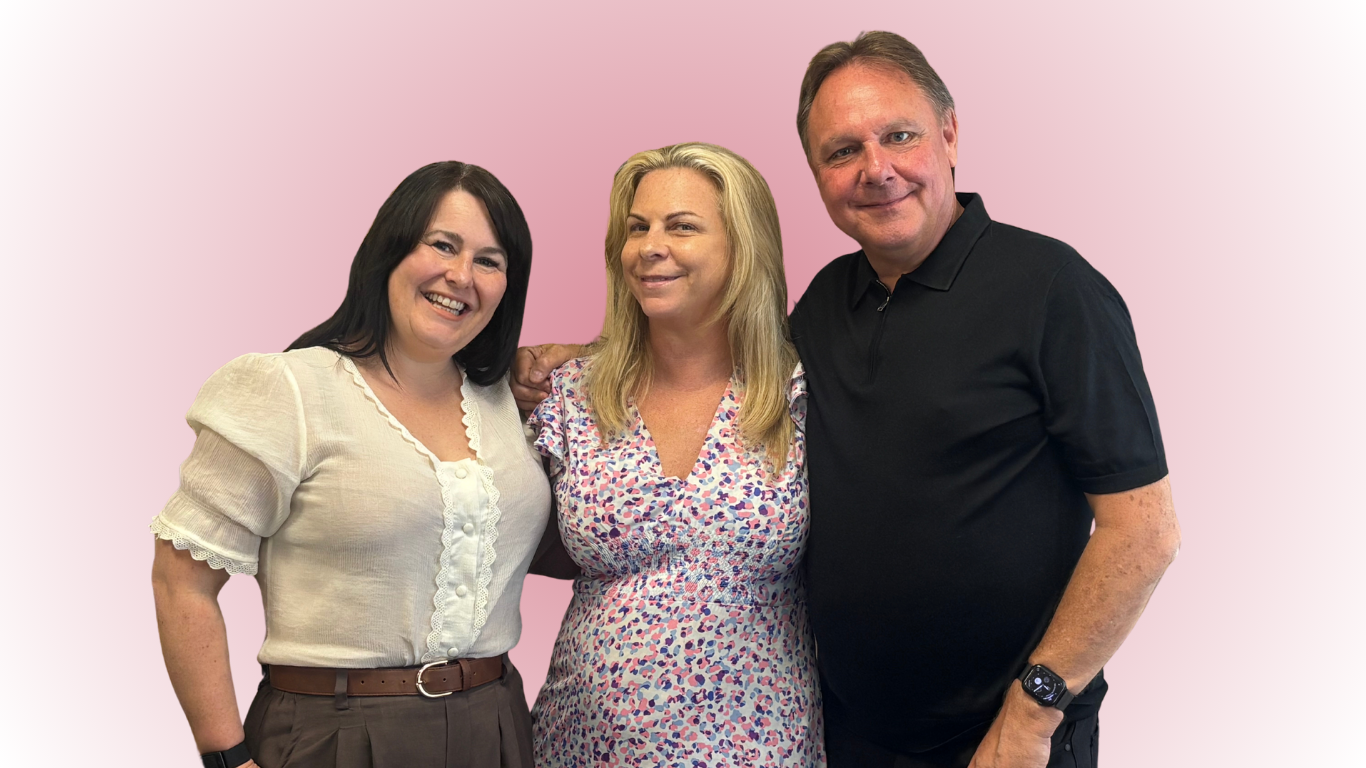
“Pride month is a great opportunity to celebrate the queer community, to remember how far they have come, whilst recognising the inequalities that still exist within society, but inclusivity shouldn’t be restricted to one month of the year,” says Sophie Brooks, RN, director of Joy by Sophie. “Embedding inclusivity within your clinic not only improves clinical practice but also strengthens trust with all patients, not just those from the LGBTQ+ community. Practitioners who embody inclusivity within their practice will benefit from the richness of having a diverse patient group, an improvement in patient relationships and retention, and will feel more fulfilled in the work they carry out.”
Inclusive practice often begins before a patient even enters the treatment room.
Simple changes such as inclusive language on consultation forms, avoiding assumptions about relationships or gender identity, and allowing patients to share their preferred name can help create a more welcoming experience.
Practitioners do not need to have all the answers. What matters most is approaching conversations with professionalism, curiosity and respect.
Patients are generally looking for a practitioner who listens carefully, understands their goals and creates a safe space for honest discussion.
“Simple changes include adopting pronouns, refraining from using terms like ‘masculine’ and ‘feminine’, and using open communication techniques to establish patients' aesthetic goals”, says Sophie. “This gold standard consultation process will improve the patient experience for all patients.”
One of the most important principles in aesthetic medicine is avoiding assumptions.
This applies to every patient, but it can be particularly relevant when treating LGBTQ+ individuals.
For example, some patients may be seeking treatments that support facial feminisation or masculinisation goals. Others may simply want to address ageing concerns, improve skin quality or feel more confident in their appearance.
The consultation should focus on the individual's goals rather than assumptions based on gender, appearance or identity.
Good aesthetic practice has always been centred on understanding the person sitting in front of you and developing a treatment plan that reflects their needs.
It’s important not to make assumptions. Sophie advises, “Avoid assuming that all gay men, lesbian women, or queer people fit a specific stereotype – we are all very different. Gaydar is a myth, so don't assume. You might think you're treating a straight woman because she's married to a man (or vice versa).”
Many clinics have already started reviewing patient-facing documents, forms and marketing materials to make sure they reflect a diverse patient population.
This can include:
Some clinics have also moved towards treatment-based or dosage-based pricing models where appropriate, helping to focus discussions on clinical requirements rather than gender categories.
Inclusive practice and patient safety go hand in hand.
As with any patient, practitioners should take time to understand wider wellbeing factors, expectations and motivations for treatment.
Major life events, identity exploration, relationship changes and mental wellbeing can all influence treatment decisions.
A thorough consultation process, realistic expectation setting and robust consent procedures help protect both patients and practitioners.
These principles apply universally and form the foundation of safe aesthetic practice.
“Whilst all patients experience everyday difficulties and challenges, evidence highlights that the LGBTQ+ community is more likely to experience social isolation and have a higher risk of experiencing poor mental health”, says Sophie. “Ethical considerations should transcend all clinical practice, and as medical professionals, we have a duty to ensure we promote the patient's best interests and prevent harm. Patient wellbeing should be a priority, and all clinics should have a robust safeguarding policy to raise concerns they have.”
The most inclusive clinics are rarely those making the biggest statements. More often, they are the clinics that consistently demonstrate respect in every patient interaction.
Small actions such as listening carefully, using appropriate language, apologising if mistakes are made and maintaining an open, professional approach can make a significant difference to the patient experience.
Ultimately, inclusive practice is not a separate initiative. It is an extension of good clinical practice.
Creating a welcoming environment for LGBTQ+ patients does not require a complete overhaul of your clinic. Often, it is the small, consistent actions that have the greatest impact.
By focusing on respectful communication, individualised treatment planning, strong consultation processes and patient-centred care, practitioners can help every patient feel valued, understood and safe.
At Hamilton Fraser, we believe that good patient outcomes start with good practice. Inclusive consultations, clear communication and robust consent processes all contribute to safer treatments, stronger patient relationships and a more professional aesthetic sector.