Hamilton Fraser is marking 30 years of claims experience in the UK aesthetics sector by taking a look at how risk has evolved.
While early aesthetic practice was characterised by fewer procedures, lower patient awareness and relatively straightforward claims, today's practitioners are operating in a far more complex environment.
Drawing on three decades of in-house claims insight, the specialist medical malpractice insurer has revealed a shift in the risk landscape, shaped by increasingly advanced treatments, rising patient expectations and the emergence of AI.
In fact, its in-house data shows that claims are not always driven by clinical error, but by how well the patient journey is managed, with unclear communication, poorly documented consent and a mismatch between patient expectations and treatment outcomes often at the root.
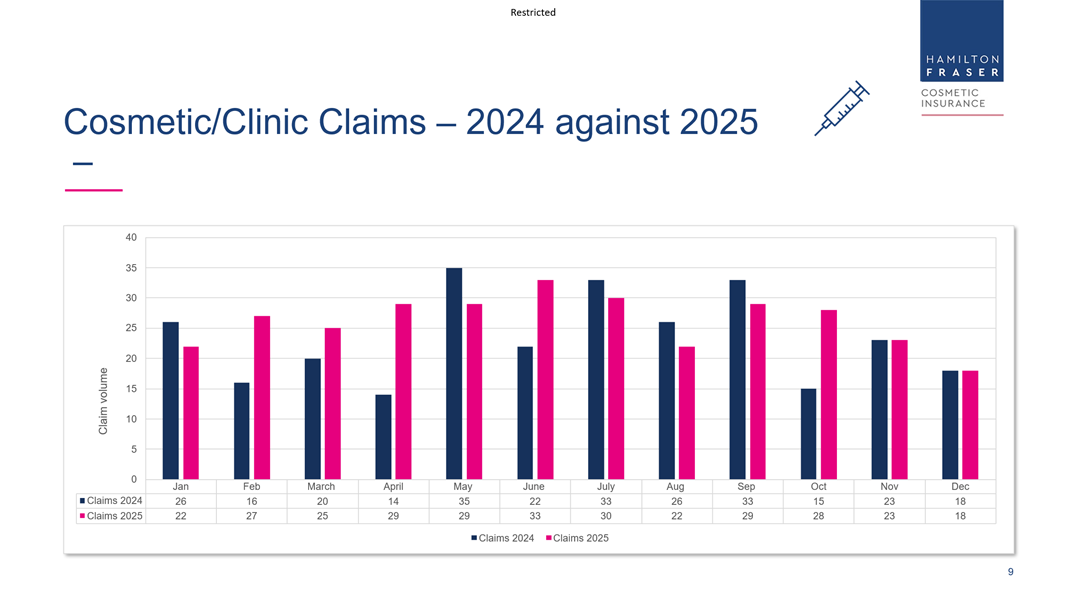
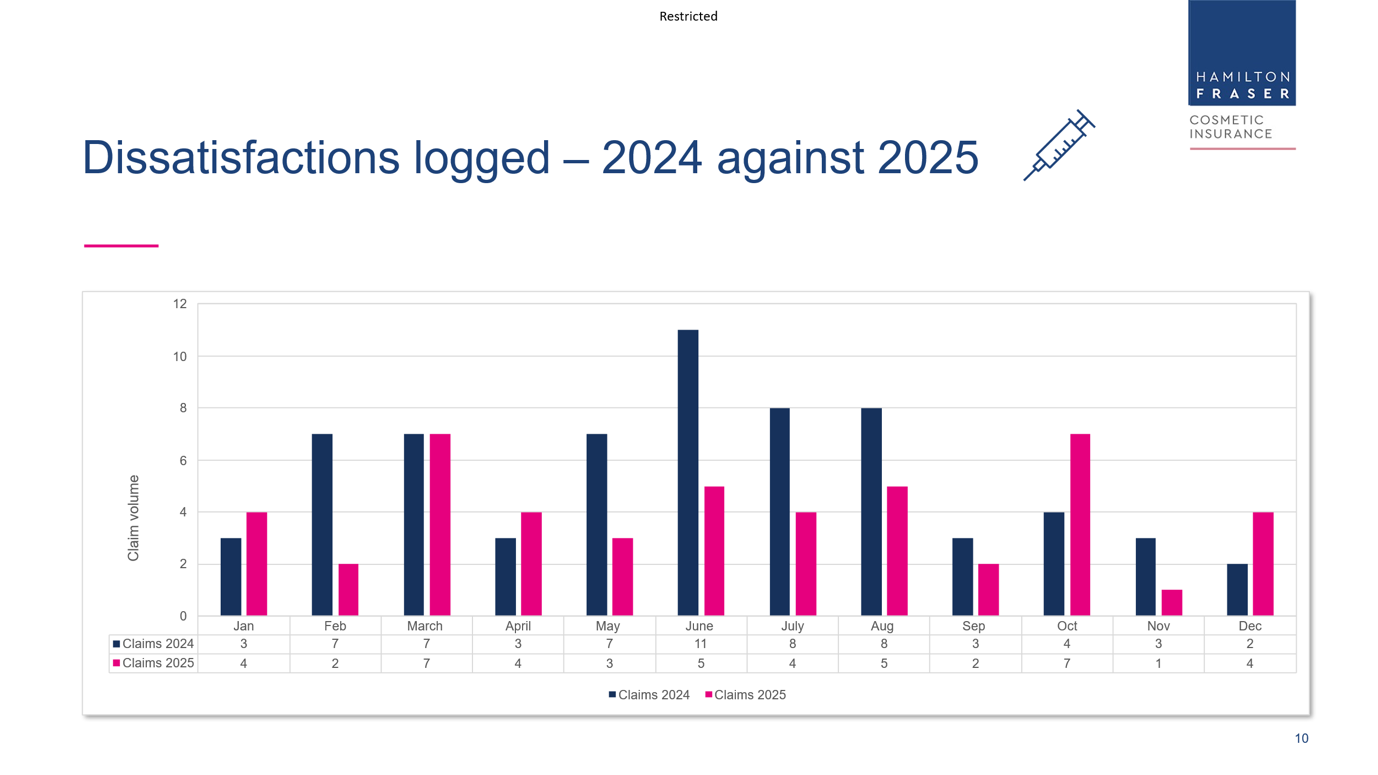
While only a small proportion of complaints escalate to claims requiring insurer involvement, that number is on the rise. From 2024-2025, claims increased 12.1% from 281 to 315, although the number of dissatisfactions reported in the same period fell 27.3% from 66 to 48.
Hamilton Fraser has also observed seasonal trends in claims reporting, with claim volumes typically peaking during the summer months when treatment demand is at its highest.
Lorna Larke, Insurance Operations Lead at Hamilton Fraser, said: "Unclear expectations remain one of the biggest causes of both complaints and claims. However, where practitioners have robust consent procedures, clear documentation and evidence that expectations were discussed, insurers are often in a much stronger position to defend those claims.
"In many of the cases we successfully defend, practitioners can demonstrate that risks were explained, informed consent was obtained, and appropriate aftercare advice was provided. Good documentation remains one of the most effective tools practitioners have to protect themselves."
According to Hamilton Fraser, successfully defended claims often rely on clear evidence that risks were discussed, informed consent was obtained, appropriate treatment decisions were made, and aftercare instructions were provided and followed.
At the same time, Hamilton Fraser has observed a change in the way complaints are being presented, with the claims team noting an increase in complaints that appear to have been drafted with the assistance of AI tools.
While AI does not create valid claims where none exist, it can make complaints appear more formal and legally informed, increasing the importance of prompt and professional complaint handling.
Eddie Hooker, founder and CEO of Hamilton Fraser, said: "We're seeing complaints that are far more sophisticated than they were a few years ago. Patients now have access to AI tools that can help them structure correspondence, reference legislation and present their concerns in a very professional manner.
"That doesn't necessarily mean there are more valid claims, but it does mean practitioners need to be prepared. Good record keeping, thorough consent procedures and clear communication have never been more important."
While treatments, technologies and patient behaviours have evolved, the fundamentals of managing risk remain consistent.
Hamilton Fraser’s long-term view of claims data after 30 years in the business is that, while risk in aesthetics has become more complex, it is also more manageable for practitioners who put clear communication, informed consent and professional standards at the heart of safe practice.
Notes to editors
Hamilton Fraser is a leading provider of medical malpractice insurance for the UK aesthetics sector, supporting thousands of practitioners and clinics with specialist cover, claims handling and risk management expertise.